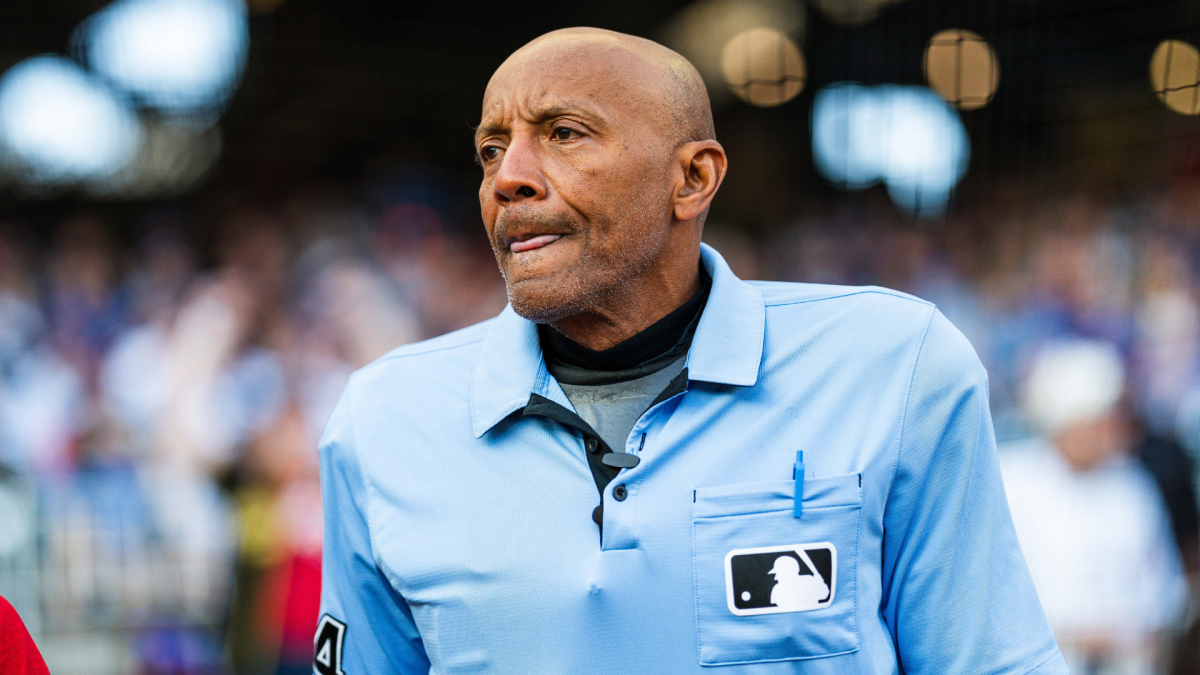
In a recent Major League Baseball game, umpire C.B. Bucknor experienced a series of challenges when the Automated Ball-Strike (ABS) system overturned six of his calls. The system, designed to assist umpires with pitch accuracy, flagged multiple decisions, leading to a significant review of Bucknor's officiating.
Among the overturned calls, two consecutive called third strikes drew particular attention. These calls, initially made by Bucknor, were later overturned by the ABS system, highlighting the ongoing debate about the role of technology in umpiring and the potential for human error in high-stakes games.
The use of the ABS system aims to improve fairness and consistency in officiating by providing real-time pitch evaluations. However, incidents like this raise questions about the integration of automated systems and the human element in sports officiating. Critics argue that reliance on technology could diminish the authority of umpires, while supporters believe it enhances accuracy and fairness.
During the game, Bucknor's decisions were scrutinized, and the system's overturns sparked discussions among players, coaches, and fans. The MLB has been gradually increasing the use of automated systems to assist umpires, but this event underscores the complexities and challenges of implementing such technology seamlessly.
As technology continues to evolve, the balance between human judgment and automated assistance remains a focal point in sports officiating. The incident involving Bucknor serves as a reminder of the ongoing adjustments and debates surrounding the future of umpiring in baseball.